


Testament law, also known as succession law or probate law, is the area of law that governs how a person's assets and property are distributed after their death. It encompasses the creation and execution of wills, the administration of estates, and the legal rights of heirs and beneficiaries. Understanding testament law is essential for anyone who wants to ensure their wishes are carried out and their loved ones are provided for after they pass away.
The oldest known will dates back to 2550 BCE in ancient Egypt! Wills have been helping people pass on their legacy for over 4,500 years.
A testament, commonly known as a will, is a legal document that expresses a person's wishes regarding the distribution of their property and assets after death. It can also designate guardians for minor children and specify funeral arrangements.
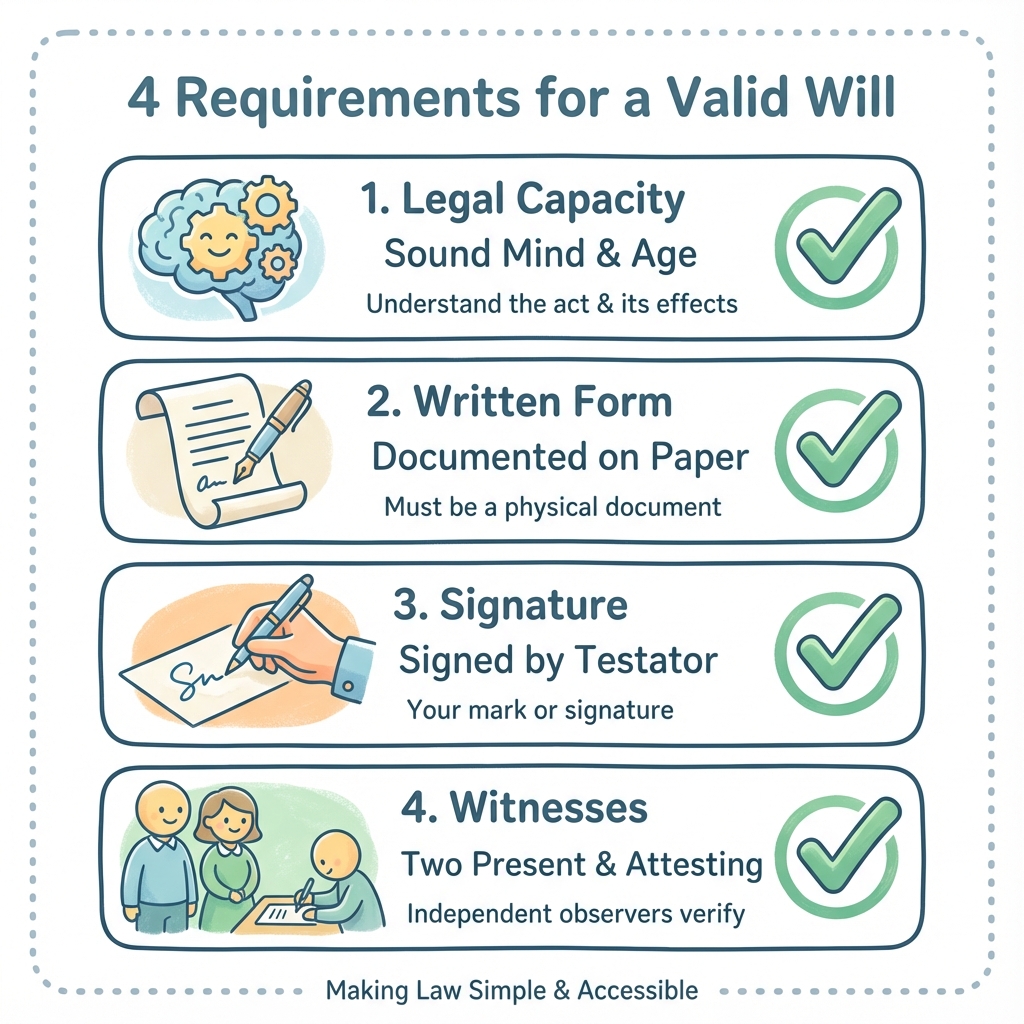
✅ The 4 Essential Requirements for a Valid Will
There are several types of wills recognized in different legal systems. Each serves a unique purpose!
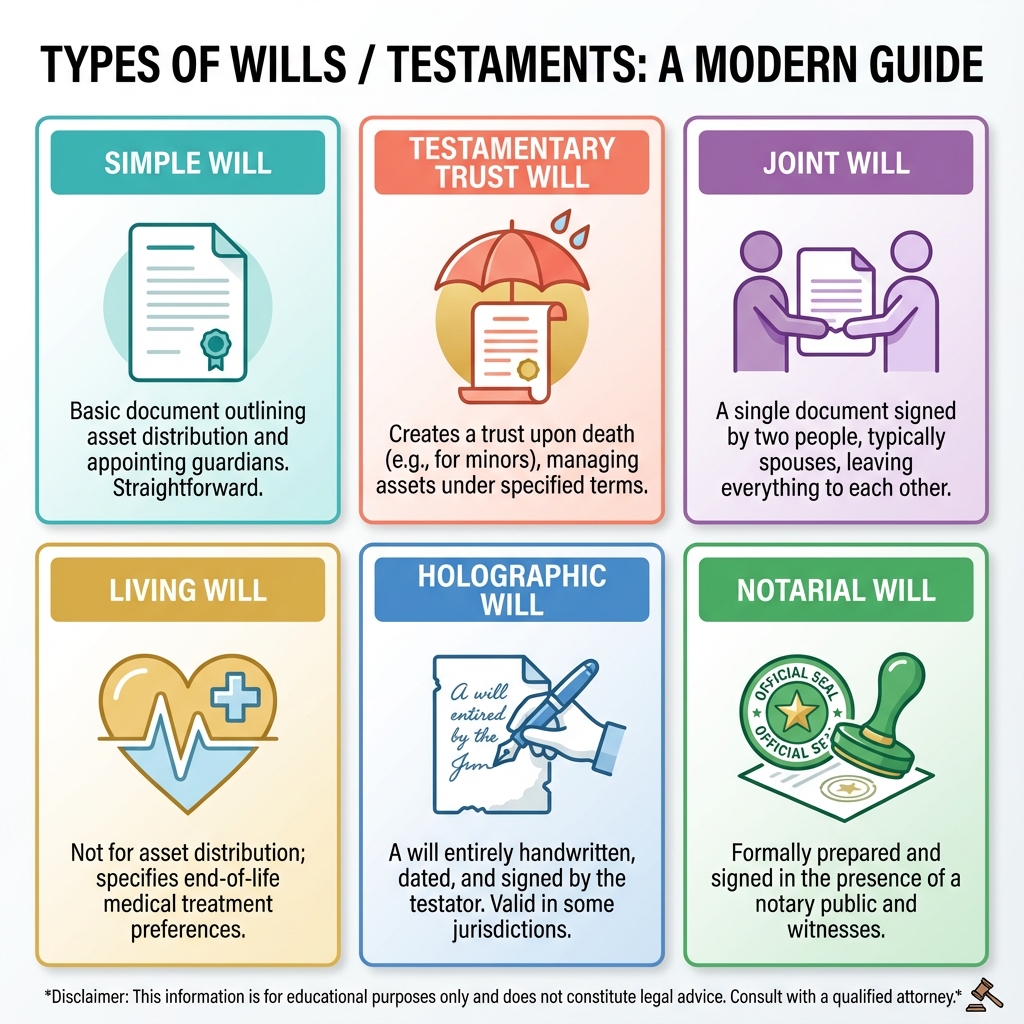
🎯 Six Common Types of Wills Explained
The most straightforward option! Perfect for uncomplicated estates with direct asset distribution.
Creates a trust upon death - great for managing assets for minor children or those needing oversight.
One will for two people (usually spouses). Less common today due to inflexibility.
Entirely handwritten and signed. Valid in some places without witnesses!
When a person dies without a valid will, they are said to have died intestate. The distribution is then governed by intestacy laws.

🏛️ Who Inherits When There's No Will? (Order of Priority)
Dying intestate can lead to outcomes very different from what you wanted. Your assets might go to relatives you barely know, or even to the government if no family is found!
Probate is the legal process through which a deceased person's will is validated and their estate is administered. Here's how it works:
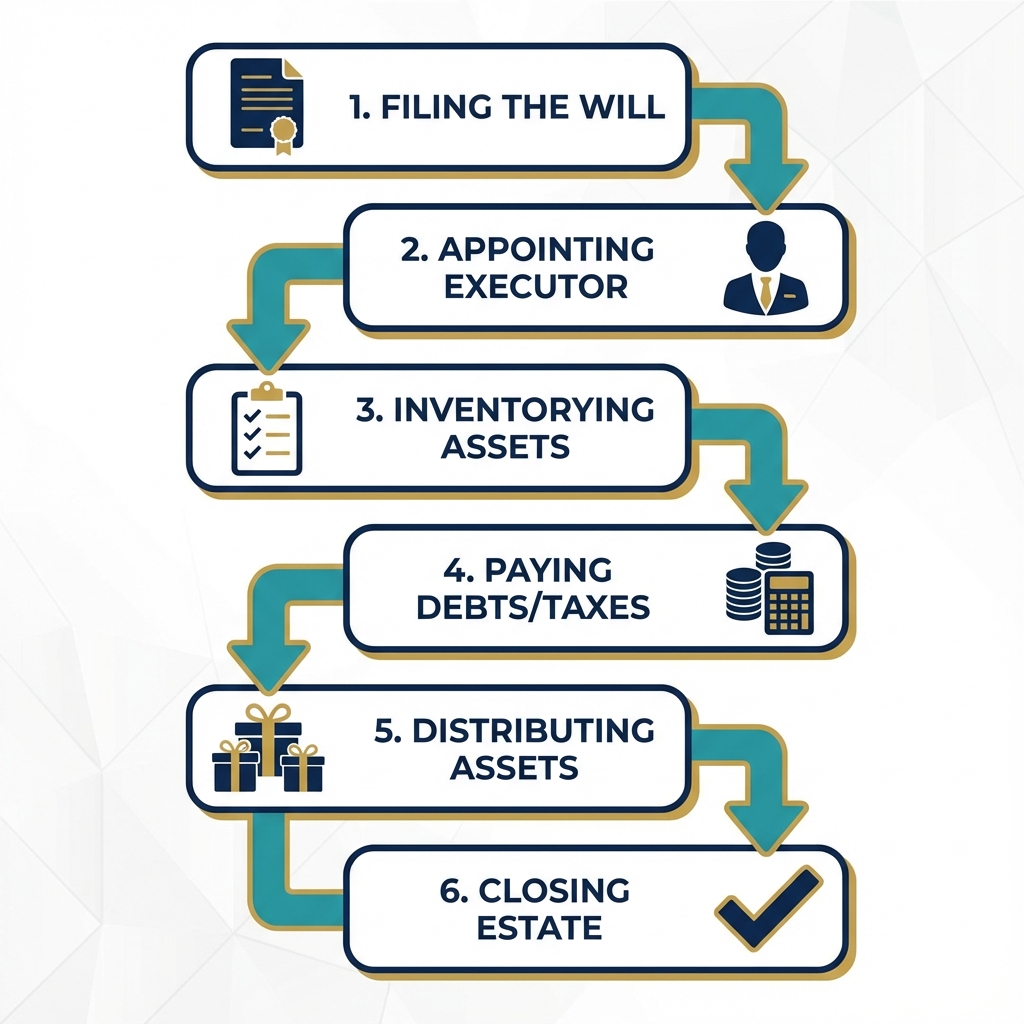
📋 The 6 Steps of the Probate Process
Probate typically takes 6-12 months and can cost 3-7% of the estate's value in fees. Many people use trusts to avoid this process entirely!
In some cases, interested parties may contest a will. Here are the common grounds:
While a will is a cornerstone of estate planning, it's not the only tool available!
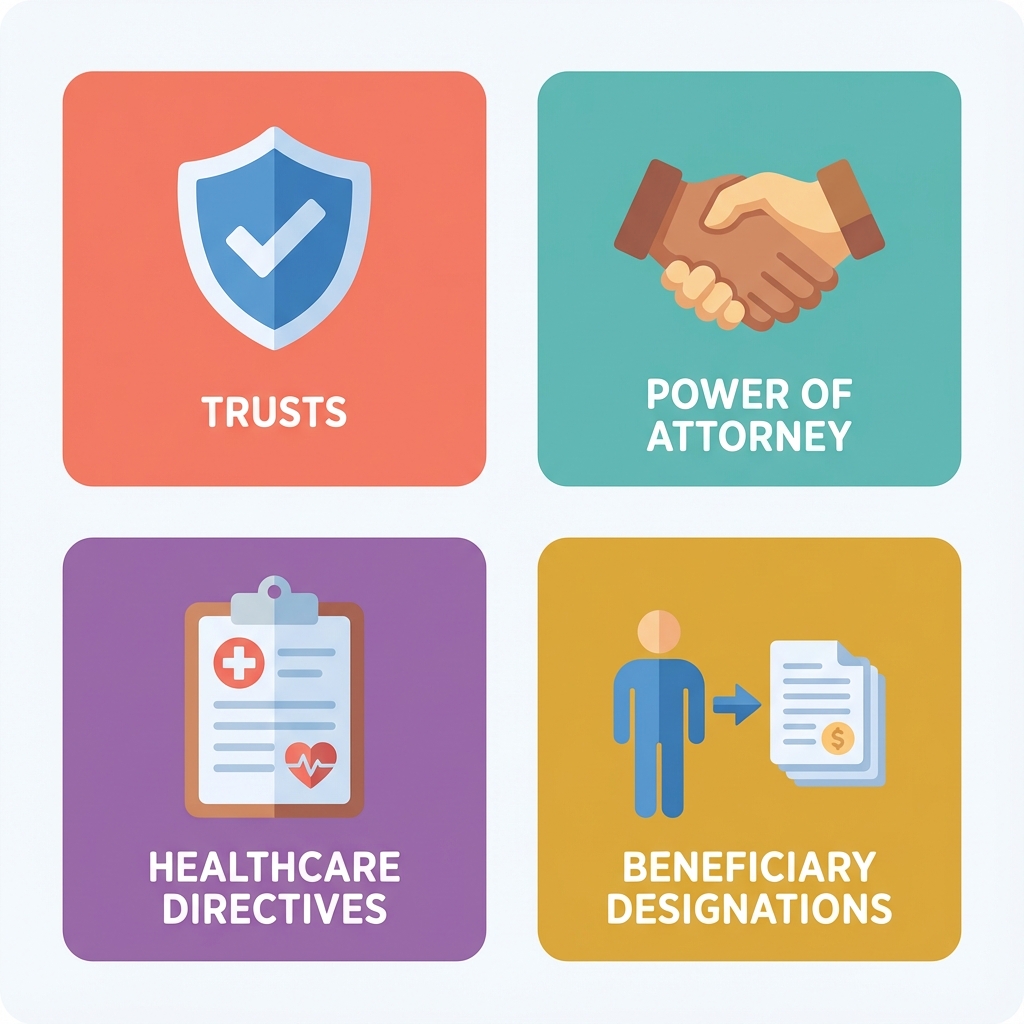
🧰 Four Essential Estate Planning Tools
Allow a trustee to hold and manage assets for beneficiaries. Can avoid probate entirely!
Grants someone authority to act on your behalf in financial or legal matters if you're incapacitated.
Instructions for medical treatment if you can't communicate your wishes.
Life insurance and retirement accounts pass outside the will through designated beneficiaries.
For those with assets in multiple countries, testament law can become complex. Different countries have different rules about what makes a will valid, how estates are taxed, and who is entitled to inherit.
The Hague Convention on Testamentary Dispositions helps provide some uniformity across borders, but legal advice is essential for cross-border estates!
Creating a will and understanding testament law is one of the most important steps you can take to protect your family and ensure your wishes are respected. Whether you have a simple estate or complex assets, consulting with a qualified legal professional can help you navigate the process and create an effective estate plan.
Remember, it's never too early to start planning for the future. A well-drafted will can provide peace of mind for you and your loved ones! 💚