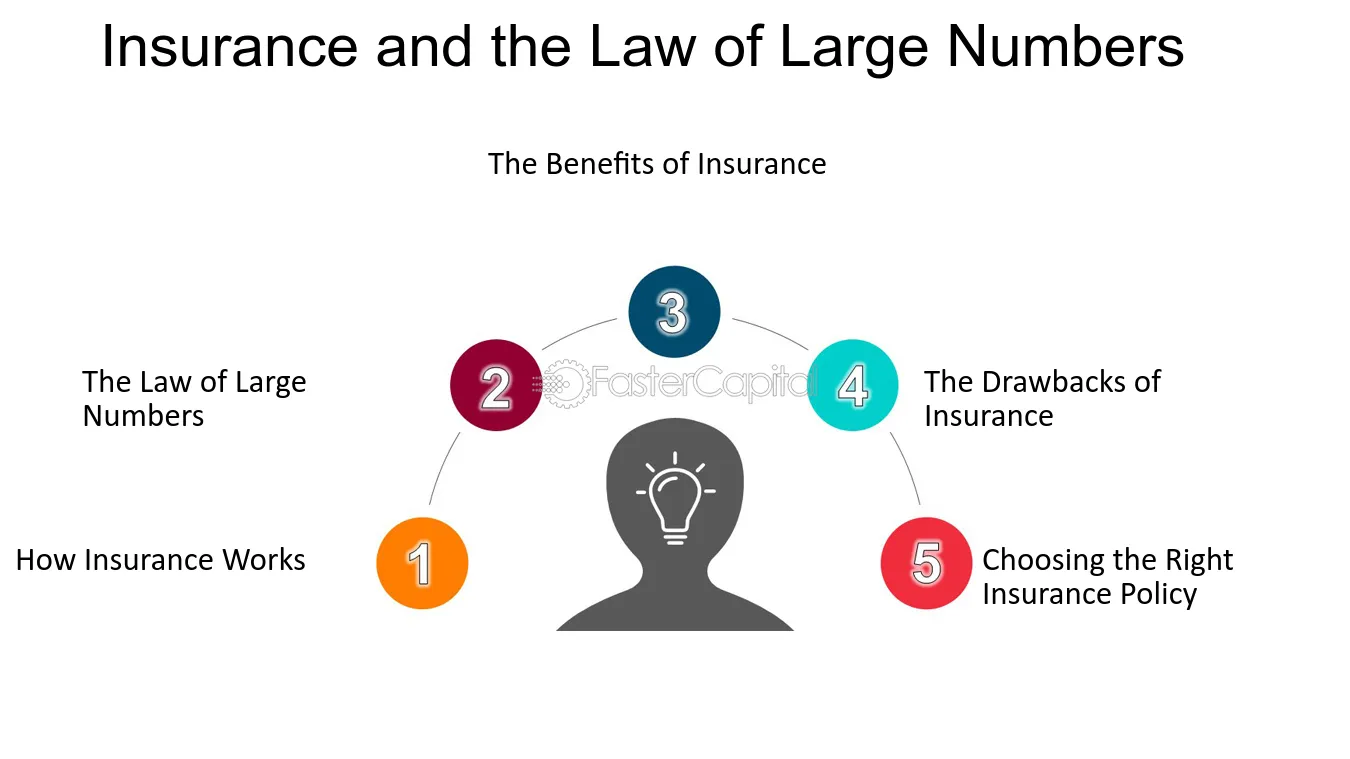

Insurance is a cornerstone of modern society, providing financial protection and peace of mind. But what is the legal framework that makes insurance work? In this article, we explore the legal anatomy of insurance, from the basics of policies to the principles that govern claims and payouts.
Insurance is a contract (policy) in which an individual or entity receives financial protection or reimbursement against losses from an insurance company. The company pools clients' risks to make payments more affordable for the insured.


There are many types of insurance, including health, life, property, and liability insurance. Each type has its own legal requirements and coverage details.

When a claim is made, the insurer investigates and determines if the policy covers the loss. Disputes may arise over coverage, requiring legal interpretation or even court intervention.
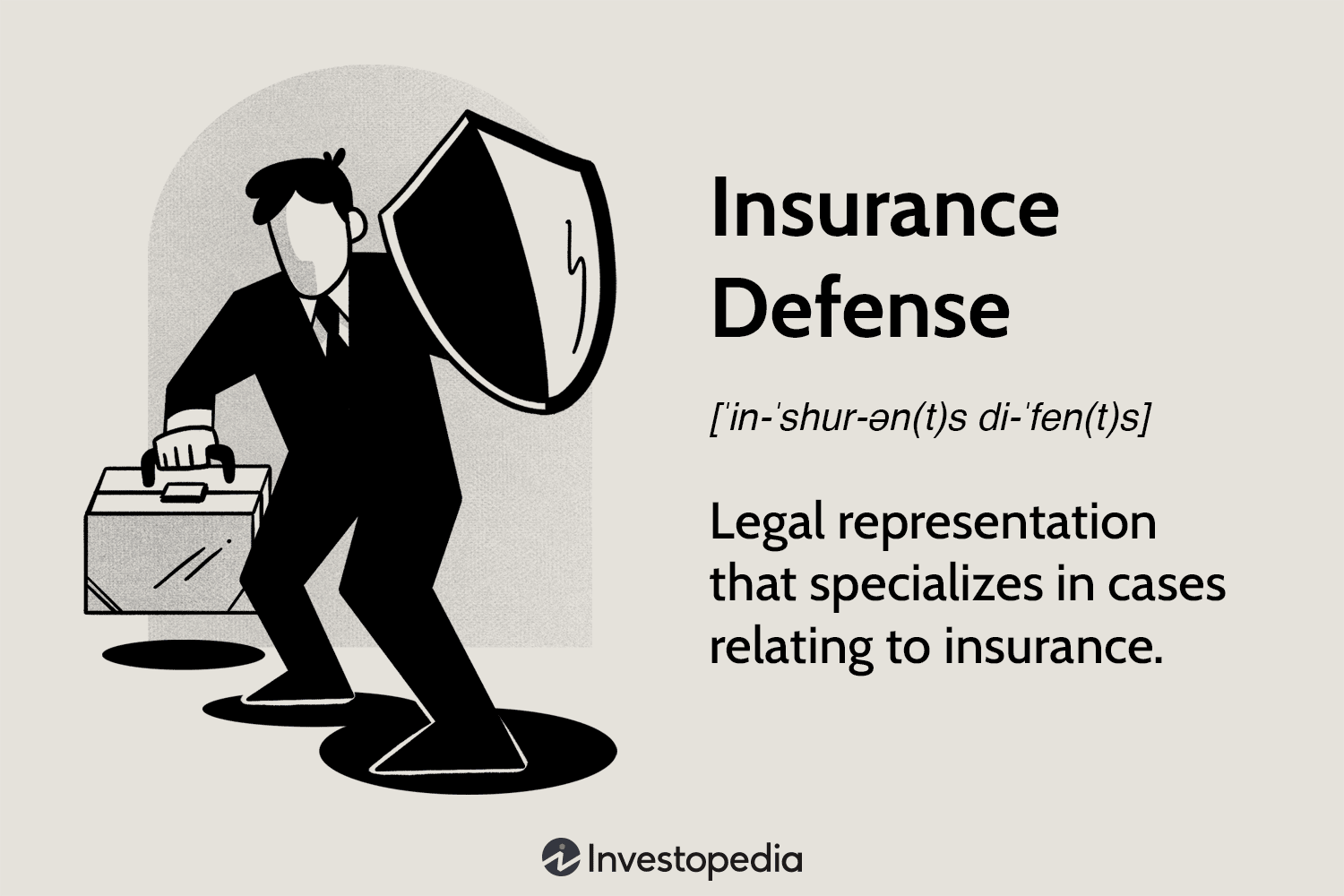
Understanding the legal anatomy of insurance helps policyholders make informed decisions and ensures that they are adequately protected. Always read your policy carefully and consult legal experts if needed.